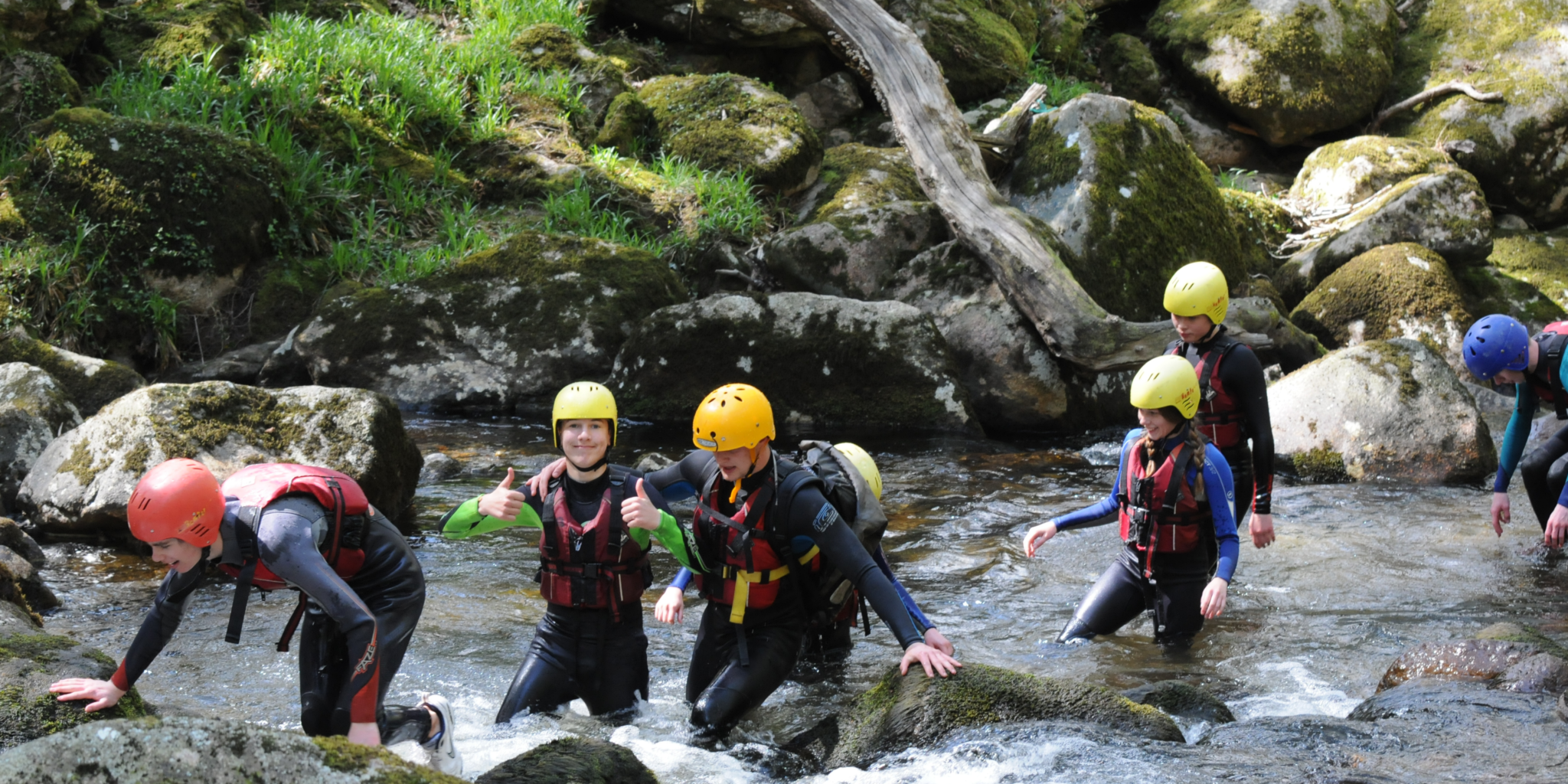
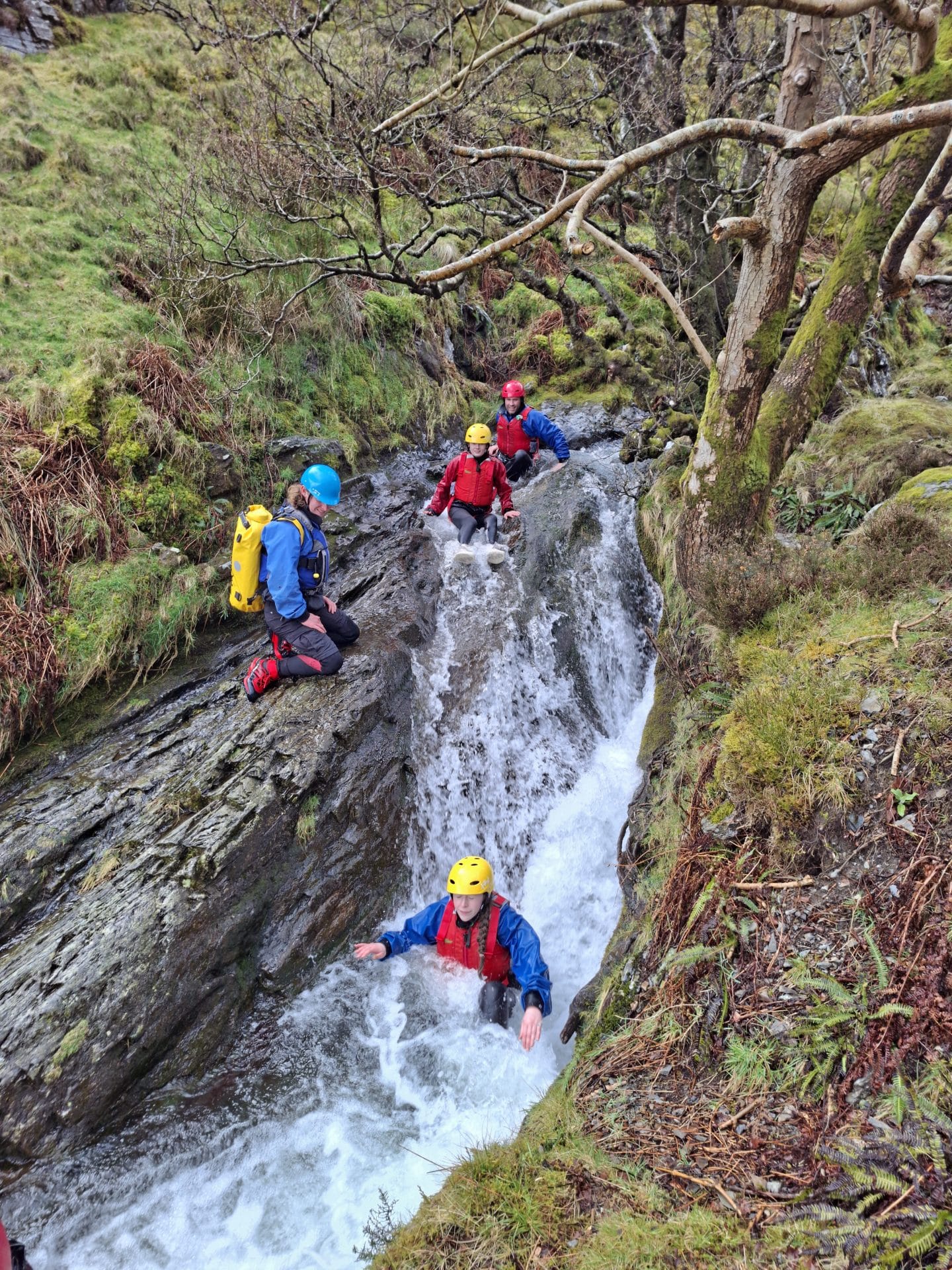
St Edmund’s is an enthusiastic advocate of outdoor education, with our distinctive interpretation offering pupils confidence and self-esteem through the completion of challenging activities.
We are fortunate enough to have impressive facilities at St Edmund’s including brand new tennis and netball courts, 4 pitch Astro, Sports Hall including fitness gym, professional 380 seater Theatre, 20 metre swimming, sixth form cafe and study space and purpose built Academic Hub
Superb Teaching staff
Inspiring the next generation
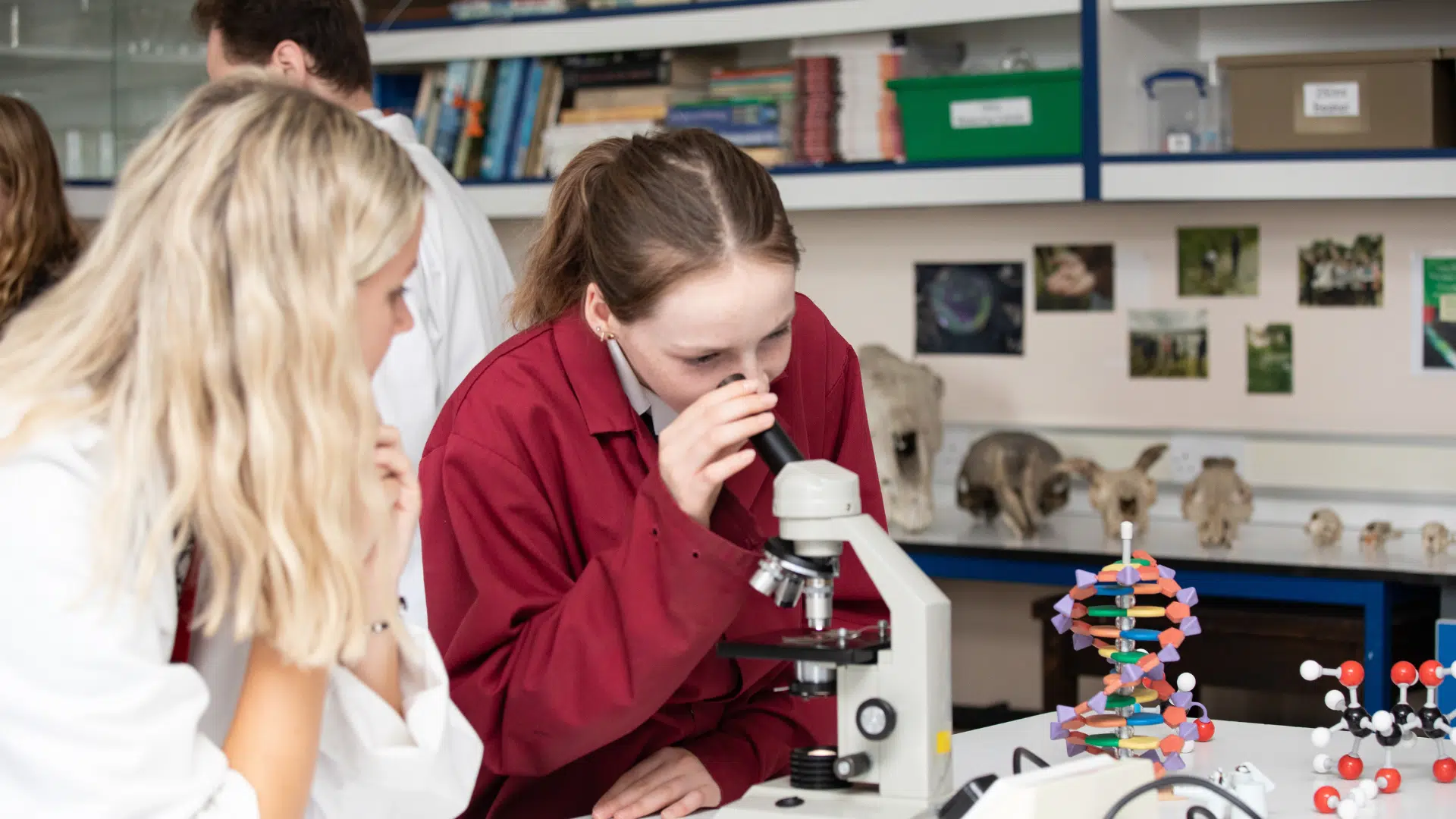
Teaching and learning at St Ed’s is driven by a combination of expert subject teachers, small class sizes and a culture of continuous learning. We’re enthusiastic experts with in-depth knowledge of our subjects who tailor our teaching style to the needs of each child.
Parkland Setting
Space to explore
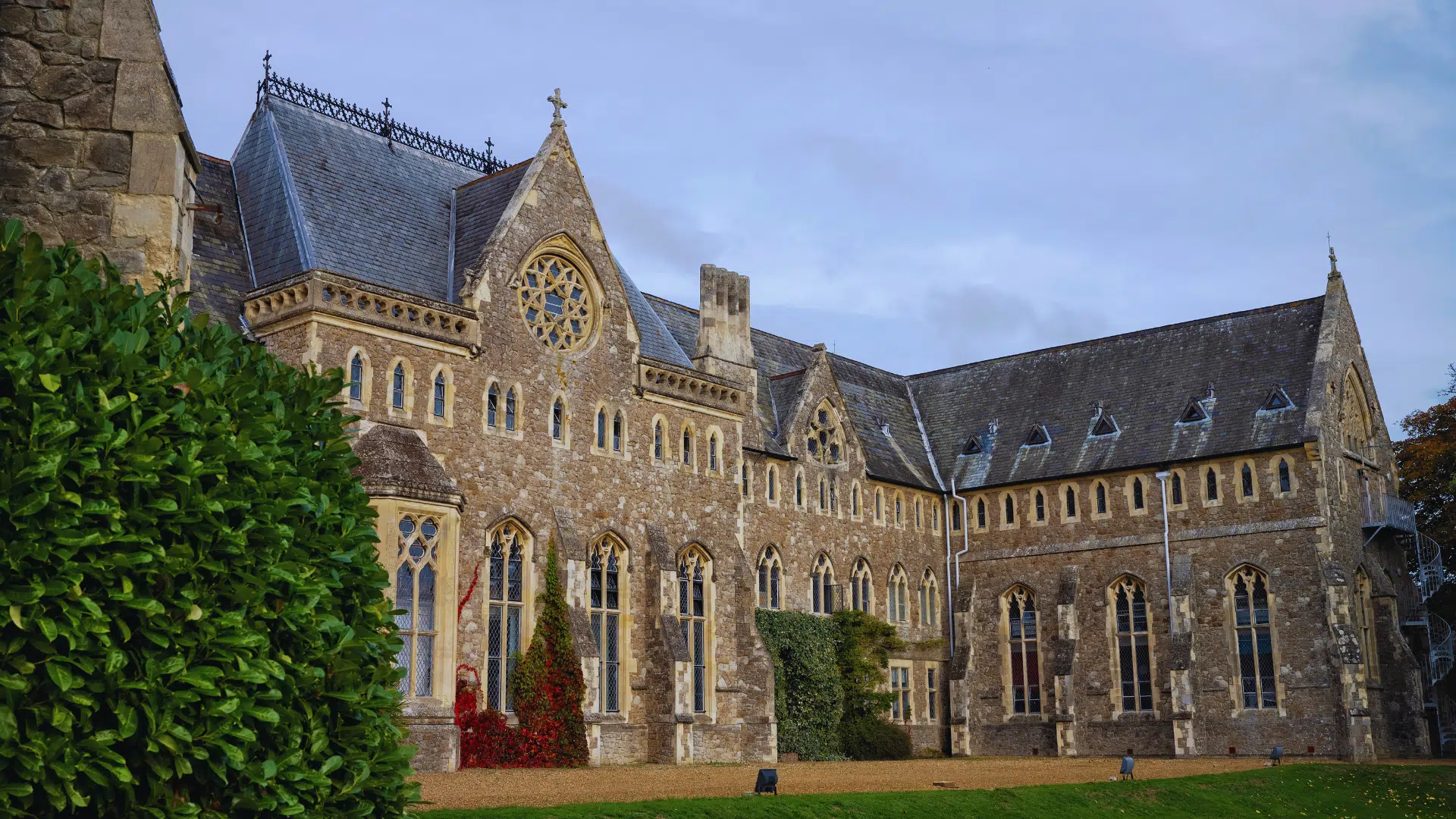
In 1855, the school moved to our beautiful current location on top of St Thomas Hill in Canterbury. St Edmund’s occupies a 62 acre site which includes our excellent facilities and beautiful pockets of forestry, wild life and large open spaces.
Creative Arts
Outstanding teaching processes
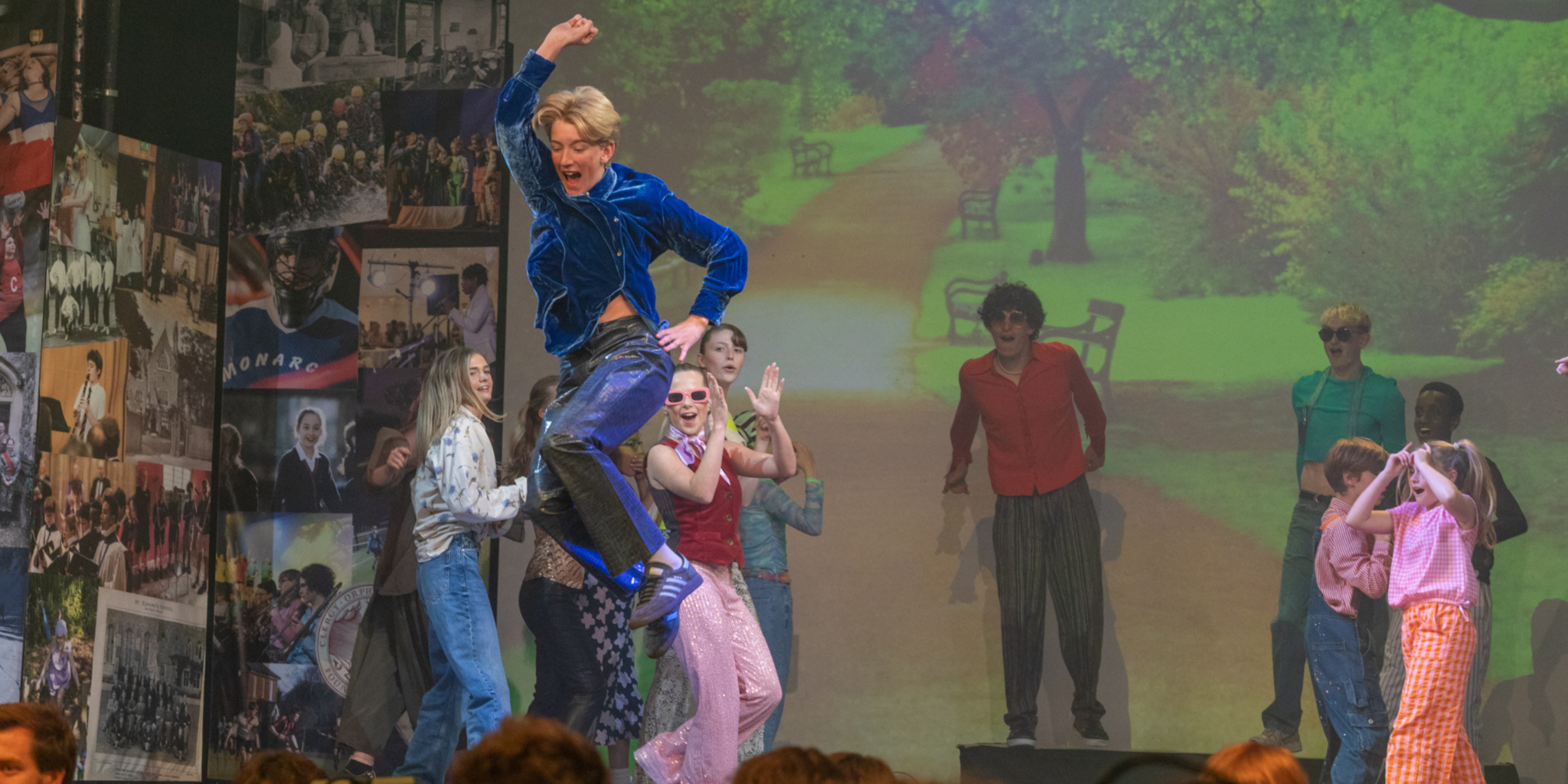
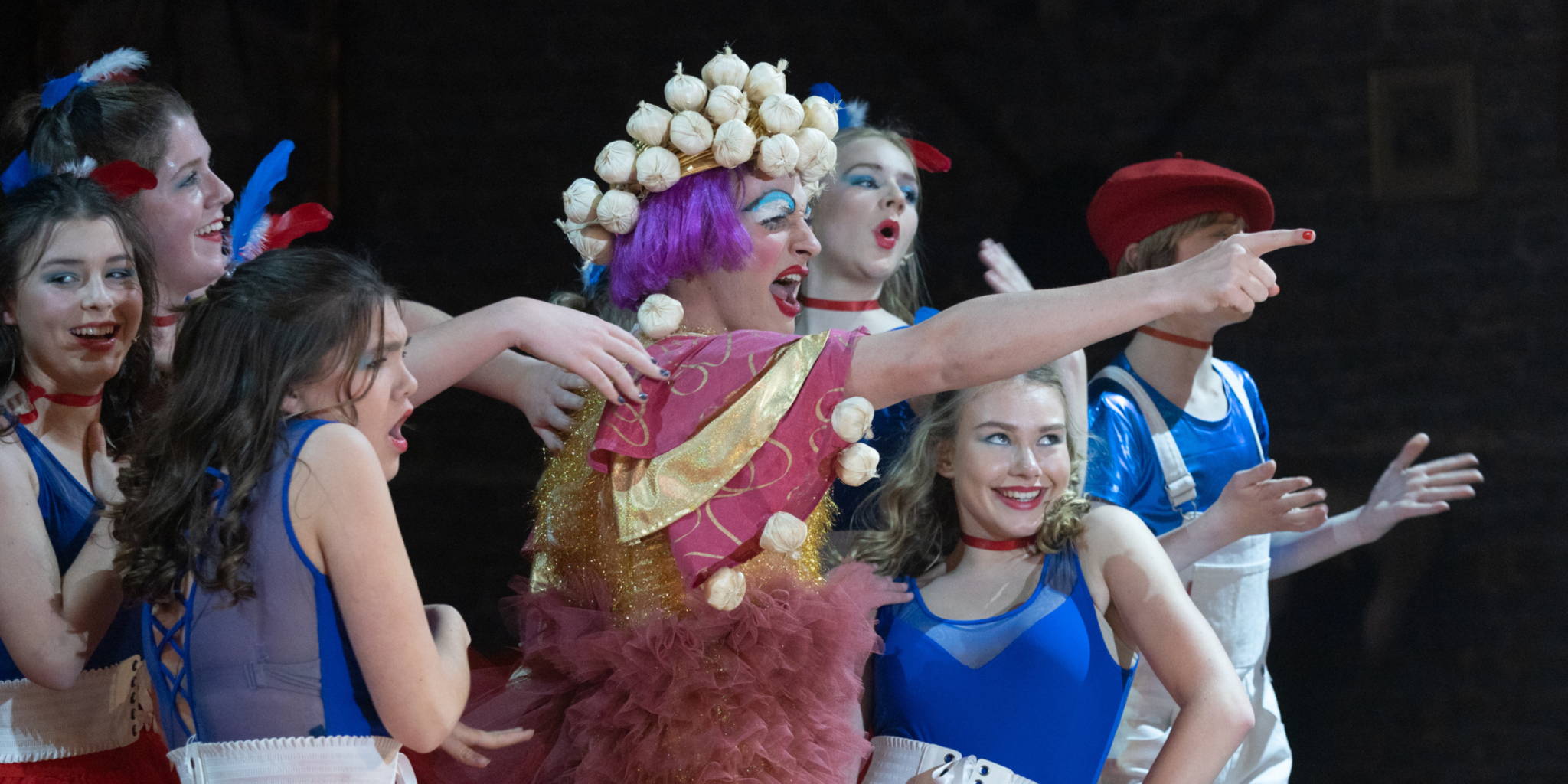
Creativity flourishes at St Edmund’s. Our Drama, Music, Dance and Art departments are rightly renowned for their outstanding teaching processes and achievements, not least our annual arts festival.
Inspiring the next generation
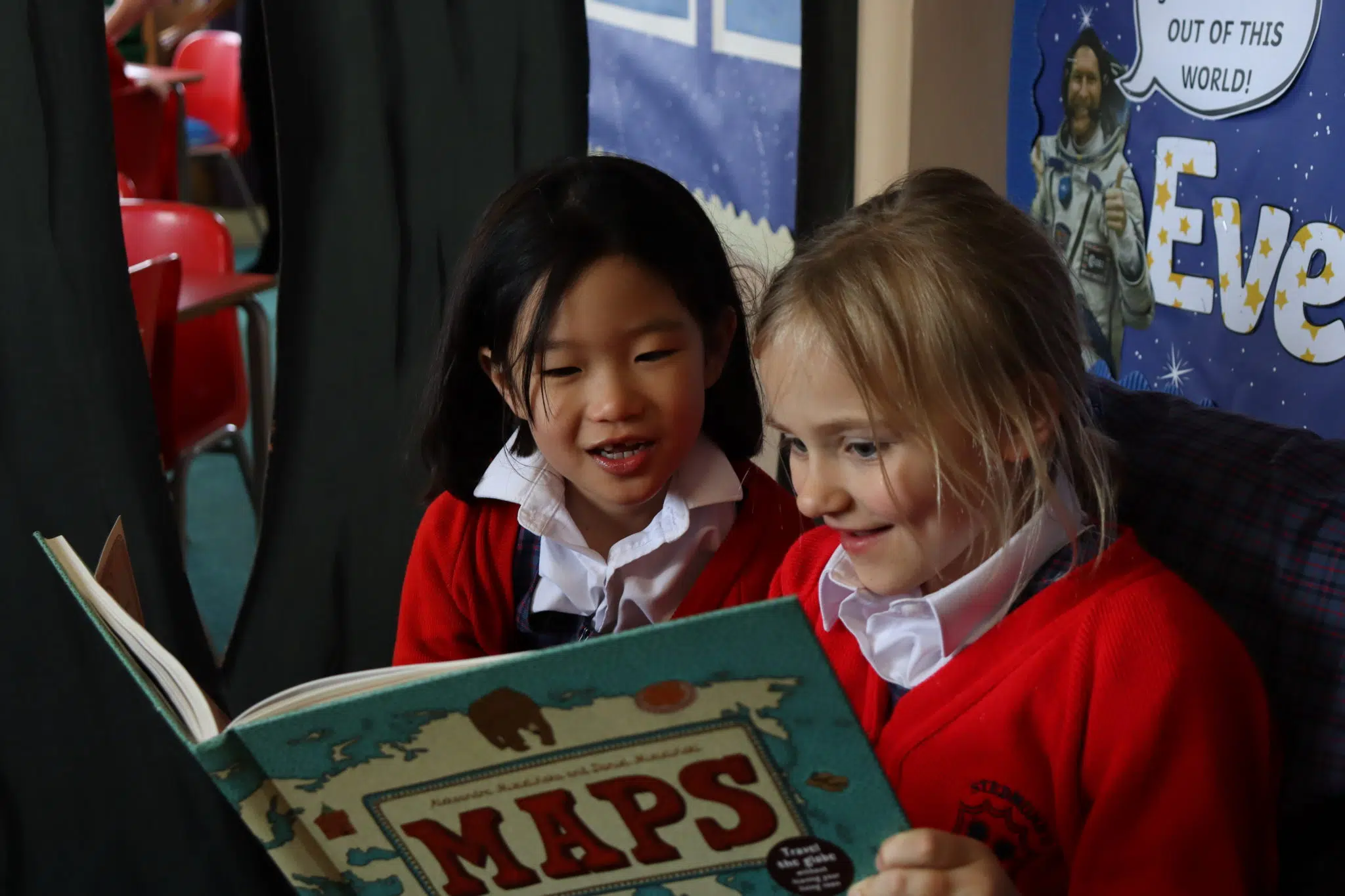
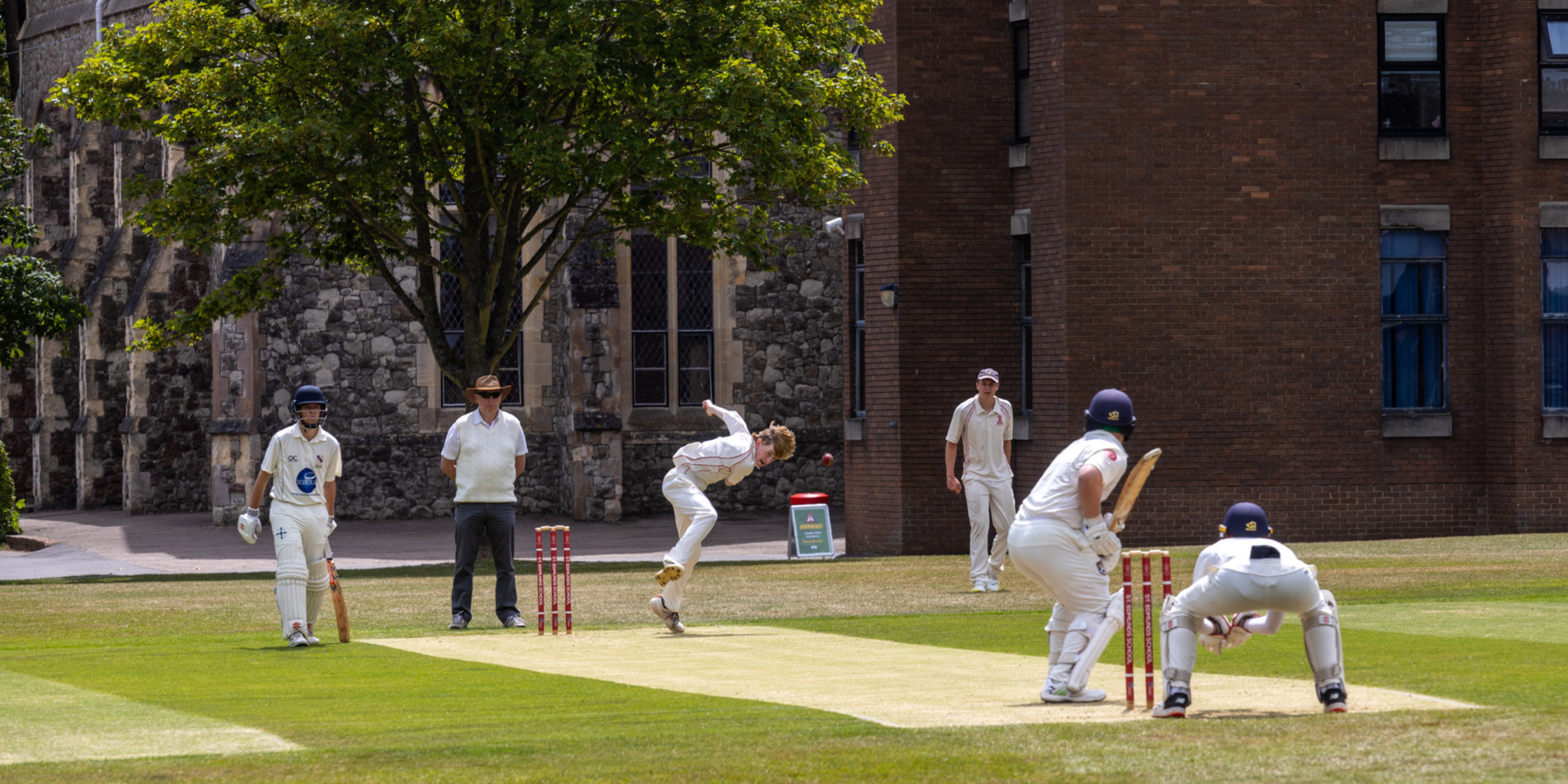
We offer one of the widest and most varied co-curricular programmes in Kent; pupils can choose anything from horse riding to chess, mindfulness to debating, ground-breaking drama and outstanding musical activities, and some exceptional sporting opportunities.
Creativity is celebrated across the whole curriculum, as innovative teaching approaches and individualised learning enable pupils to think independently and express themselves with confidence and originality.
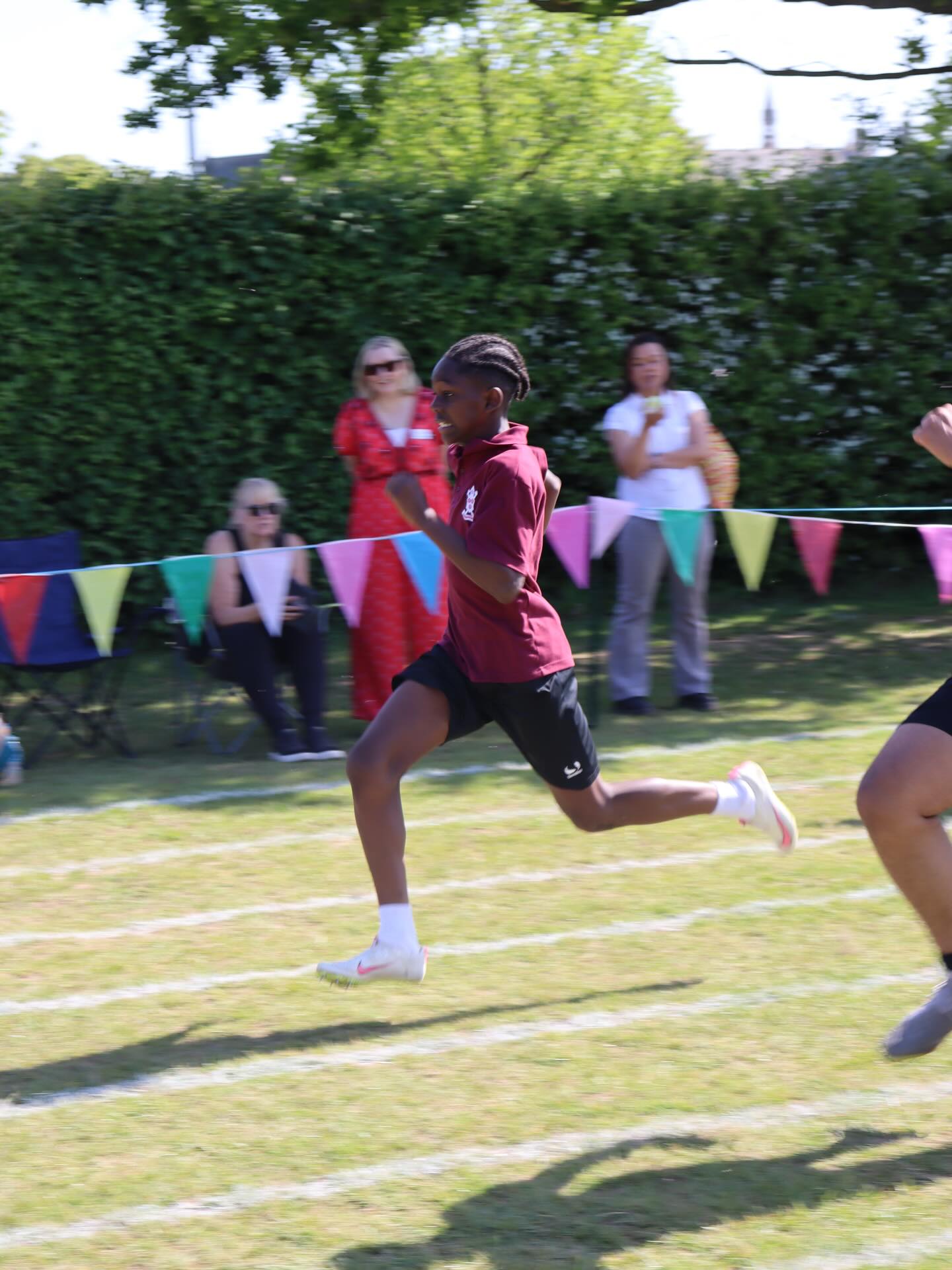
What a brilliant day at Senior School Sports Day on Friday! The energy, determination and school spirit on display were incredible from start to finish.
We saw an outstanding number of records smashed across the events – a true testament to the hard work and talent of our students. Congratulations to Wagner for coming out on top!
A full list of results, along with more photos from the day, will be available on the website soon – keep an eye out!